New technologies are radically advancing our freedoms, but they are also enabling unparalleled invasions of privacy. National and international laws have yet to catch up with the evolving need for privacy that comes with new digital technologies. Respect for individuals' autonomy, anonymous speech, and the right to free association must be balanced against legitimate concerns like law enforcement. EFF fights in the courts and Congress to maintain your privacy rights in the digital world, and works with partners around the globe to support the development of privacy-protecting technologies.

Your cell phone helps you keep in touch with friends and family, but it also makes it easier for the government to track your location.

Your Web searches about sensitive medical information might seem a secret between you and your search engine, but companies like Google are creating a treasure trove of personal information by logging your online activities, and making it potentially available to any party wielding enough cash or a subpoena.

And the next time you try to board a plane, watch out—you might be turned away after being mistakenly placed on a government watch list, or be forced to open your email in the security line.

Several governments have also chosen to use malware to engage in extra-legal spying or system sabotage for dissidents or non-citizens, all in the name of “national security.”

As privacy needs evolve, so too should our regulatory regimes. National governments must put legal checks in place to prevent abuse of state powers, and international bodies need to consider how a changing technological environment shapes security agencies’ best practices. Above all, we need to respect the rights of autonomy, anonymity, association, and expression that privacy makes possible, while also taking into account legitimate law enforcement concerns.

Read our work on privacy issues below, and join EFF to help support our efforts.

For information about the law and technology of government surveillance in the United States check out EFF's Surveillance Self-Defense project.

Privacy Highlights

Banner Graphic: 

Digital Privacy at the U.S. Border: Protecting the Data On Your Devices and In the Cloud

Digital Privacy at the U.S. Border:Protecting the Data On Your Devices and In the Cloudby Sophia Cope, Amul Kalia, Seth Schoen, and Adam SchwartzDownload the report as a PDF.EXECUTIVE SUMMARYأفادت الحكومة الأمريكية أن عدد حالات تفحص المحتويات الالكترونية على الحدود قد إزداد بمقدار خمسة أضعاف خلال سنة واحدة فقط،...

NSA Spying

The US government, with assistance from major telecommunications carriers including AT&T, has engaged in massive, illegal dragnet surveillance of the domestic communications and communications records of millions of ordinary Americans since at least 2001. Since this was first reported on by the press and discovered by the public in late...

Privacy Updates

Podcast Episode: The Life of the (Crypto) Party

Matt Mitchell, founder of CryptoHarlem, has an exciting solution for helping undo the damage that pervasive surveillance has done to those who are most profoundly impacted by it. Join EFF as we talk with Matt—and learn more about how education, transparency, and building trust can increase privacy and safety for...
FOIA Flashlight

EFF v. San Bernardino County Superior Court (stingray transparency)

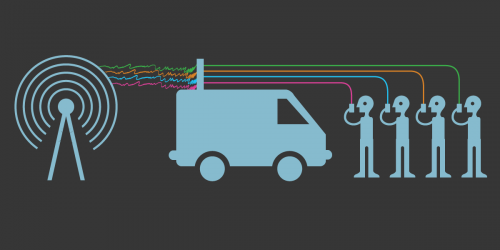
EFF is seeking to make public court records that would show how law enforcement in San Bernardino County, California use cell-site simulators and other invasive surveillance technologies. In 2019, EFF petitioned the San Bernardino County Superior Court to review and unseal 22 search warrants that appear to be sealed in...

Security issues banner, a colorful graphic of two barrel keys forming an X

Apple’s Android App to Scan for AirTags is a Necessary Step Forward, But More Anti-Stalking Mitigations Are Needed

This post has been updated to say that Tracker Detect is available internationally.We’re pleased to see Apple has come out with an Android app called Tracker Detect that addresses some of the serious threats to privacy and safety we identified with Apple AirTags when they debuted. Quarter-sized Bluetooth-enabled...

Pages

Back to top

JavaScript license information